
March 13, 2026
Coffee pairings: Snacks, desserts, and beyond
Show readers how to pair coffee with pastries, chocolates, cheeses, and even savory foods.

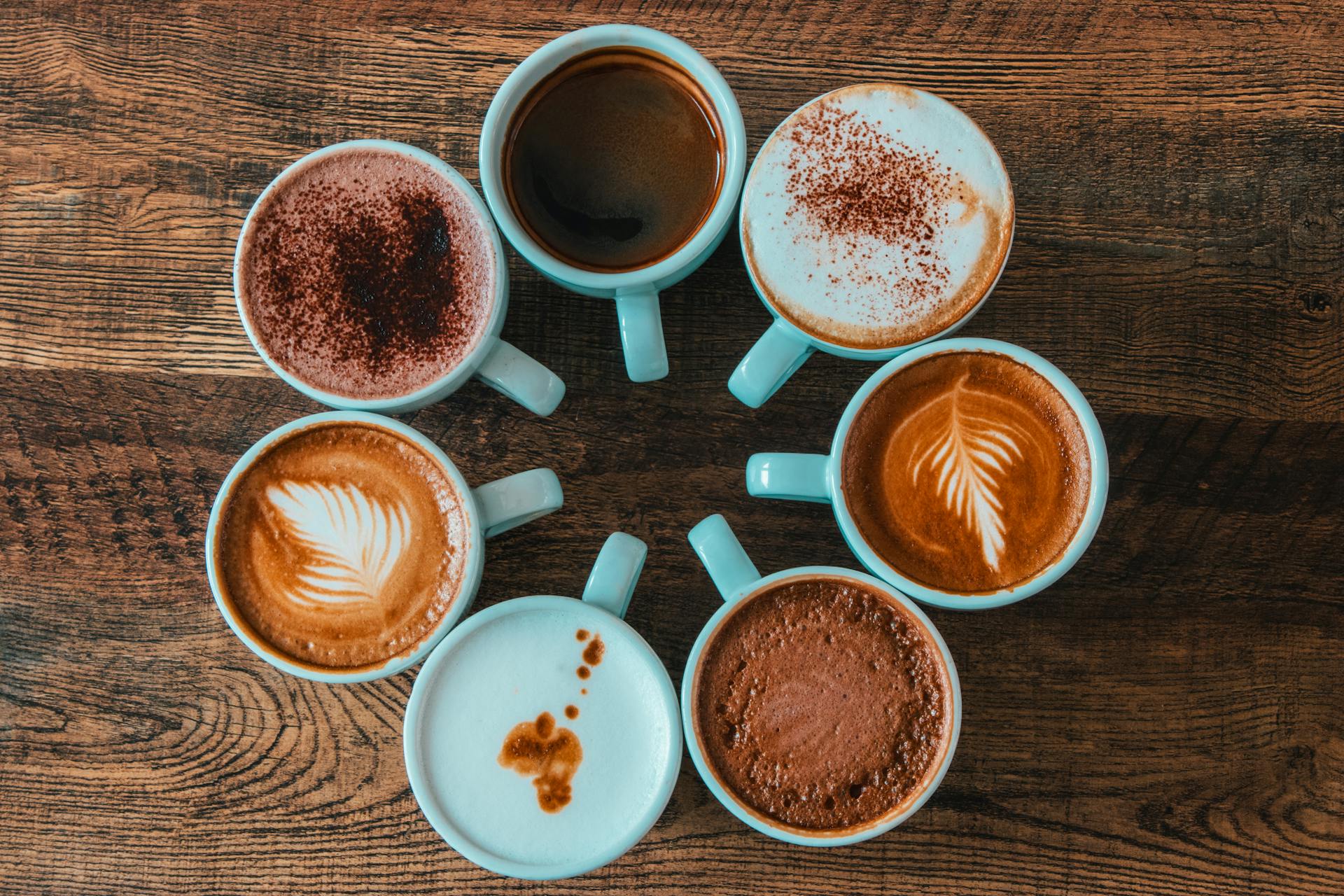
Coffee is often described using words like chocolatey, fruity, floral, or nutty—but what do these tasting notes really mean? Unlike flavored drinks, specialty coffee doesn’t contain added ingredients. Its flavors are naturally developed through a combination of origin, processing, roasting, and brewing.
Understanding the science behind these tasting notes allows you to move beyond simply drinking coffee to truly experiencing it. With a bit of knowledge and attention, every cup becomes an opportunity to explore layers of flavor that might otherwise go unnoticed.
Tasting notes are descriptive terms used to communicate the flavors and aromas present in coffee. They don’t mean the coffee contains actual chocolate, berries, or caramel—instead, they reflect similarities in aroma and taste that your brain recognizes based on past experiences.
When you see notes like “blueberry,” “citrus,” or “dark chocolate,” they are references to the natural compounds formed within the coffee bean. These compounds develop as the coffee grows, is processed, and is roasted, creating a complex sensory profile unique to each batch. In many ways, tasting coffee is similar to tasting wine: it’s about identifying patterns, comparing sensations, and learning how to describe what you perceive.
At the core of coffee flavor are hundreds of chemical compounds that develop during roasting. Two key processes—caramelization and the Maillard reaction—play a major role in shaping these flavors.
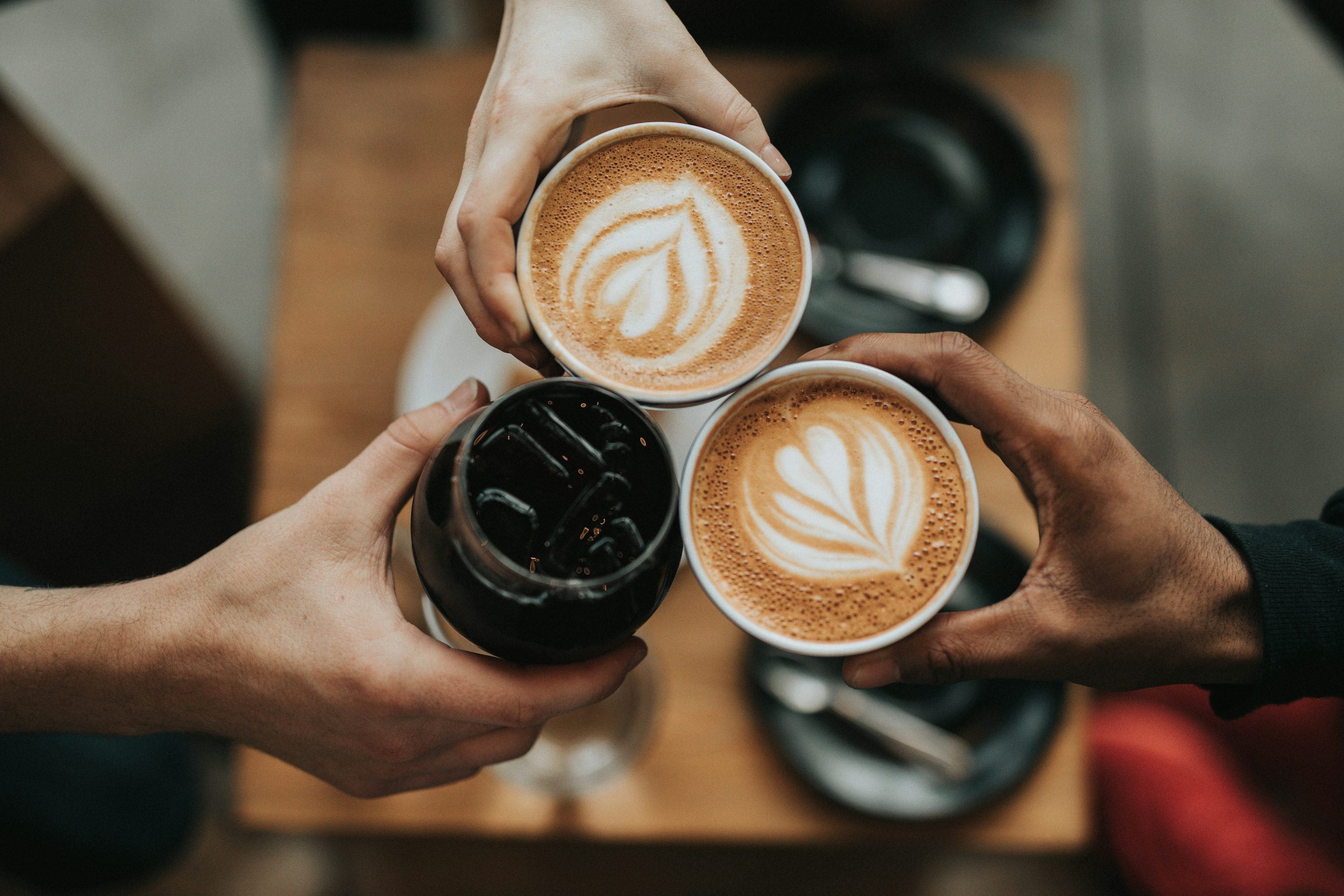
Caramelization occurs when sugars break down under heat, creating sweet, rich notes like caramel and toffee. The Maillard reaction, on the other hand, happens when sugars and amino acids interact, producing deeper, more complex flavors such as nuts, chocolate, and roasted tones. In addition to these reactions, organic acids contribute brightness and acidity, while aromatic compounds influence how we perceive flavor through smell. Together, these elements create the intricate balance that defines a cup of coffee.
The region where coffee is grown has a profound impact on its taste. Climate, altitude, and soil conditions all shape how the coffee cherry develops, which in turn affects the chemical composition of the bean.
Coffees from African regions often display bright acidity and fruit-forward notes, sometimes resembling berries or citrus. Latin American coffees are typically more balanced, with flavors leaning toward chocolate, nuts, and mild sweetness. Meanwhile, coffees from Asia and the Pacific tend to have heavier bodies and earthier, more intense profiles. These regional characteristics provide a foundation for flavor, which is then refined through processing and roasting.
After harvesting, coffee beans undergo processing to remove the fruit surrounding them. The method used can significantly influence the final taste.
Washed (or wet) processing tends to produce clean, crisp flavors with more pronounced acidity. Natural (or dry) processing allows the beans to dry inside the fruit, often resulting in sweeter, fruitier, and more complex profiles. Honey processing falls somewhere in between, offering a balance of clarity and sweetness. Each method alters how sugars and compounds interact within the bean, ultimately shaping the tasting notes you experience.
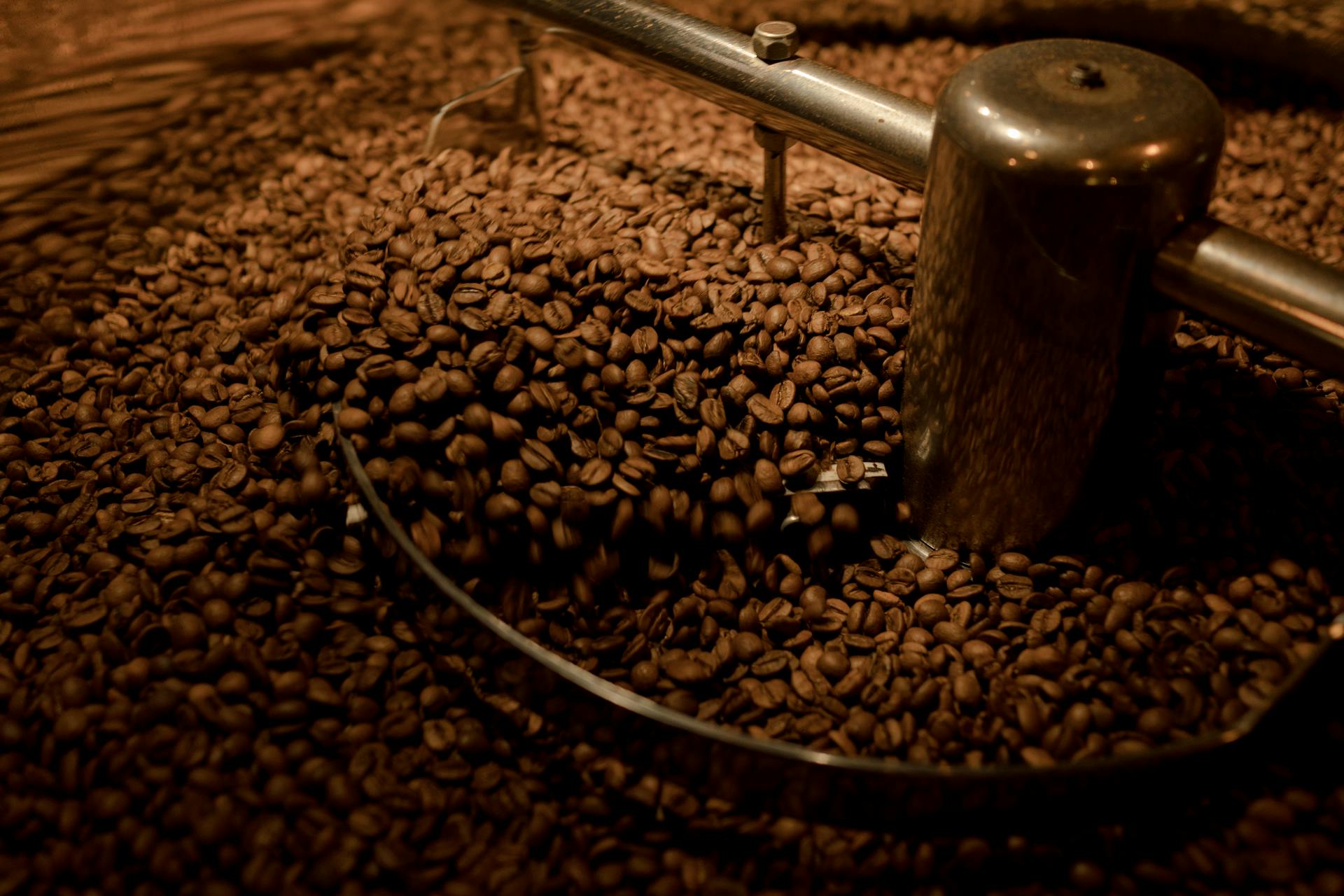
Roasting is where the raw potential of the coffee bean is fully realized. Light roasts tend to preserve the original characteristics of the bean, highlighting acidity and delicate flavor notes. Medium roasts strike a balance, bringing out sweetness and body while maintaining some origin traits. Dark roasts emphasize bold, smoky, and bittersweet flavors, often overshadowing the bean’s original nuances.
The roaster’s role is to carefully control time and temperature to highlight the best qualities of each coffee. Even small adjustments can significantly change the flavor profile, making roasting both a science and an art.
Tasting notes are more than just descriptive labels—they help you navigate the wide world of coffee. By understanding them, you can make more informed choices when selecting beans and better communicate your preferences.
They also deepen your appreciation for the craft behind coffee. Each note reflects a combination of environmental factors, processing decisions, and roasting expertise. Recognizing these elements adds a new layer of meaning to every cup.
Lorem ipsum dolor sit amet, consectetur adipiscing elit. Suspendisse varius enim in eros elementum tristique. Duis cursus, mi quis viverra ornare, eros dolor interdum nulla, ut commodo diam libero vitae erat. Aenean faucibus nibh et justo cursus id rutrum lorem imperdiet. Nunc ut sem vitae risus tristique posuere.
Discussing fair trade, organic, and eco-friendly coffee practices for a sustainable future.
Lorem ipsum dolor sit amet, consectetur adipiscing elit. Suspendisse varius enim in eros elementum tristique. Duis cursus, mi quis viverra ornare, eros dolor interdum nulla, ut commodo diam libero vitae erat. Aenean faucibus nibh et justo cursus id rutrum lorem imperdiet. Nunc ut sem vitae risus tristique posuere.
Take readers on a journey through the major coffee-growing regions.
