
March 13, 2026
Coffee pairings: Snacks, desserts, and beyond
Show readers how to pair coffee with pastries, chocolates, cheeses, and even savory foods.

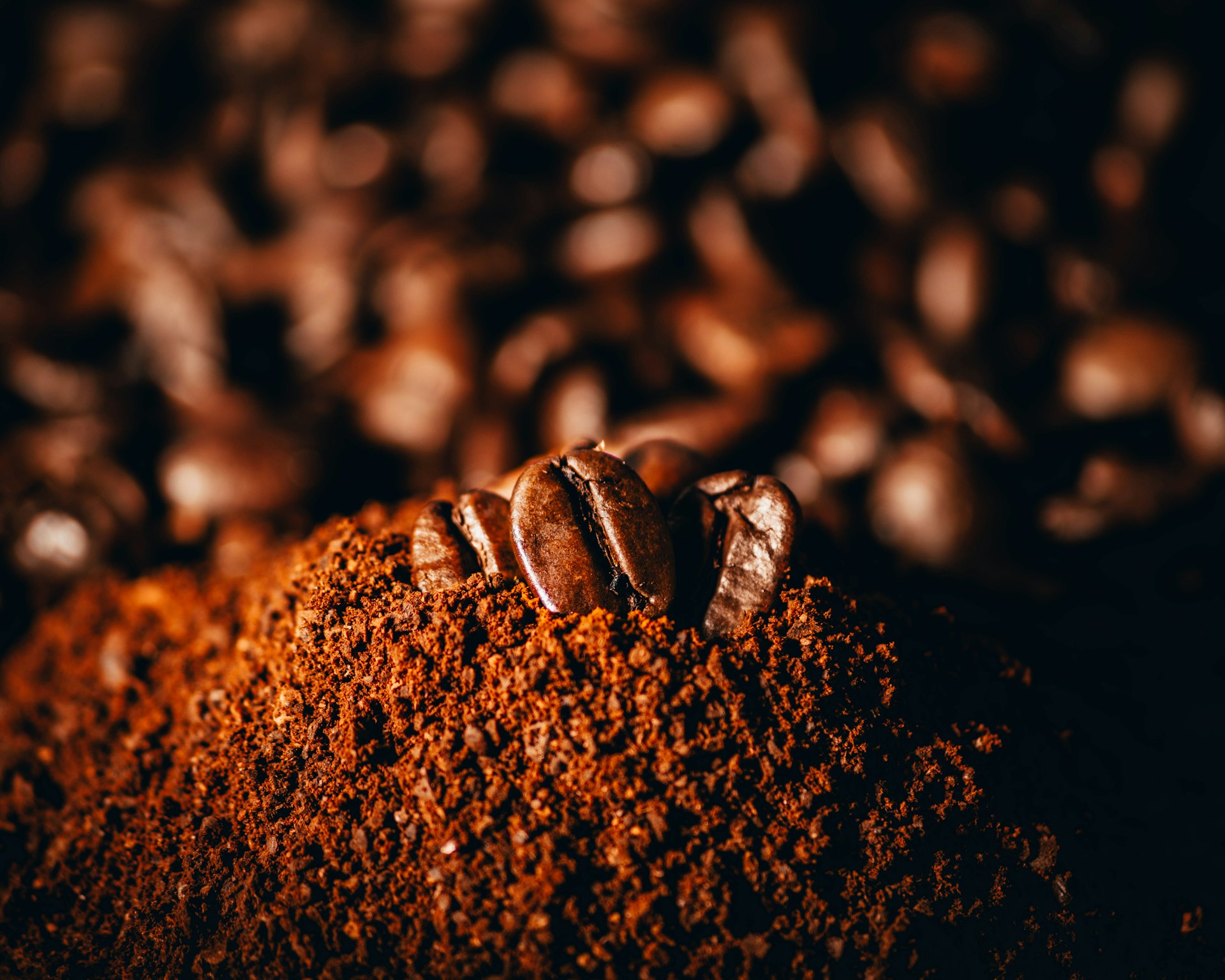
Every cup of coffee carries the imprint of where it was grown. Long before beans are roasted or brewed, their character is shaped by the environment—by altitude, soil composition, rainfall, and even local farming traditions. These factors combine to create the distinct flavors we experience in the final cup, making coffee one of the most geographically expressive beverages in the world.
Exploring coffee origins is not just about learning where your coffee comes from—it’s about understanding why it tastes the way it does. As you begin to recognize the influence of different regions, your daily cup becomes more than a routine; it becomes a journey through cultures, climates, and craftsmanship.
Coffee is primarily grown in a region known as the “Coffee Belt,” which spans areas around the equator where conditions are ideal for cultivation. Within this belt, countries and even individual farms produce beans with unique identities. The combination of altitude, temperature, soil nutrients, and processing methods all contribute to the final flavor profile.
Higher elevations, for example, tend to produce denser beans with more complex acidity and layered flavors. Lower elevations often result in smoother, fuller-bodied coffees with more subtle acidity. Processing methods—such as washed, natural, or honey—also influence how sweetness, clarity, and texture develop in the cup. Because of this complexity, two coffees grown in different regions can taste entirely different, even if they come from the same plant variety.
Coffees from Latin America are often considered the foundation of many coffee experiences due to their balance and approachability. These beans typically offer a harmonious combination of mild acidity, medium body, and familiar flavor notes such as chocolate, nuts, and gentle fruit. Countries like Colombia, Brazil, and Guatemala are known for producing coffees that feel clean and consistent, making them ideal for everyday drinking. Their versatility allows them to perform well across different brewing methods, whether you prefer a simple drip coffee or a more refined pour-over.
Because of their balanced nature, Latin American coffees are often used as a starting point for those new to specialty coffee, providing a reliable and enjoyable introduction to origin-based flavors.
African coffees, particularly those from Ethiopia and Kenya, are known for their vibrant and distinctive profiles. These coffees often stand out for their bright acidity and complex flavor notes, which can include berries, citrus, and floral undertones.
What makes African coffee unique is its clarity and intensity. The flavors are often more pronounced and dynamic, creating a cup that feels lively and layered. This makes them especially appealing to those who enjoy exploring the more nuanced side of coffee. These coffees are often best appreciated through brewing methods that highlight their clarity, allowing the subtle details to shine through. For many coffee enthusiasts, African origins represent some of the most exciting and memorable flavor experiences available.
Coffees from Asia and the Pacific region offer a contrasting experience, emphasizing depth and richness over brightness. These beans are typically characterized by their full body, low acidity, and earthy, sometimes spicy flavor profiles.
Regions like Indonesia are particularly well-known for producing coffees with a heavy mouthfeel and notes of cocoa, wood, and herbs. These qualities make them ideal for darker roasts and espresso-based drinks, where a strong, grounding flavor is desired.
For those who prefer a more intense and robust cup, coffees from this region provide a satisfying alternative to the lighter, more acidic profiles found elsewhere.
The origin of a coffee bean influences three primary aspects of its taste: acidity, body, and flavor notes. Acidity adds brightness and liveliness, body determines how heavy or light the coffee feels, and flavor notes define the specific tastes you perceive.
Environmental conditions play a major role in shaping these characteristics. Climate affects how quickly coffee cherries ripen, soil composition contributes to nutrient development, and altitude impacts density and complexity. Together, these elements create the wide diversity of flavors found in coffee around the world.
Understanding these relationships allows you to make more informed choices when selecting coffee, helping you find options that align with your personal preferences.
Single-origin coffee comes from a specific region, farm, or even a single lot, allowing you to experience the pure characteristics of that origin. These coffees are often chosen for their uniqueness and are ideal for those who want to explore distinct flavor profiles. Blends, on the other hand, combine beans from multiple origins to create a balanced and consistent taste. Roasters carefully select complementary beans to achieve a specific flavor profile, often blending brightness, sweetness, and body into a harmonious cup. Neither option is inherently better—it simply depends on what you’re looking for. Single-origin coffees offer exploration and variety, while blends provide reliability and balance.
Selecting coffee based on origin is one of the most effective ways to refine your taste. If you prefer smooth and familiar flavors, Latin American coffees are a great choice. If you enjoy bright, complex, and expressive profiles, African coffees may be more appealing. For those who favor bold, full-bodied cups, coffees from Asia and the Pacific offer a rich and satisfying experience.
As you try coffees from different regions, you’ll begin to recognize patterns in what you enjoy. Over time, this awareness helps you make more confident choices and deepens your appreciation for the diversity of coffee.
Lorem ipsum dolor sit amet, consectetur adipiscing elit. Suspendisse varius enim in eros elementum tristique. Duis cursus, mi quis viverra ornare, eros dolor interdum nulla, ut commodo diam libero vitae erat. Aenean faucibus nibh et justo cursus id rutrum lorem imperdiet. Nunc ut sem vitae risus tristique posuere.
Discussing fair trade, organic, and eco-friendly coffee practices for a sustainable future.
Lorem ipsum dolor sit amet, consectetur adipiscing elit. Suspendisse varius enim in eros elementum tristique. Duis cursus, mi quis viverra ornare, eros dolor interdum nulla, ut commodo diam libero vitae erat. Aenean faucibus nibh et justo cursus id rutrum lorem imperdiet. Nunc ut sem vitae risus tristique posuere.
Include a simple guide to coffee cupping and how readers can develop their palate.
