
March 13, 2026
Coffee pairings: Snacks, desserts, and beyond
Show readers how to pair coffee with pastries, chocolates, cheeses, and even savory foods.

Sustainability in coffee goes beyond a single label or certification. It’s a holistic approach that considers environmental impact, economic fairness, and social responsibility. Truly sustainable coffee is grown in ways that protect natural resources, preserve biodiversity, and ensure farmers are paid fairly for their work.
This means looking at how coffee is cultivated, harvested, processed, and distributed. It also involves transparency—knowing where your coffee comes from and how it was produced. When all of these elements come together, sustainability becomes part of the entire journey from farm to cup.
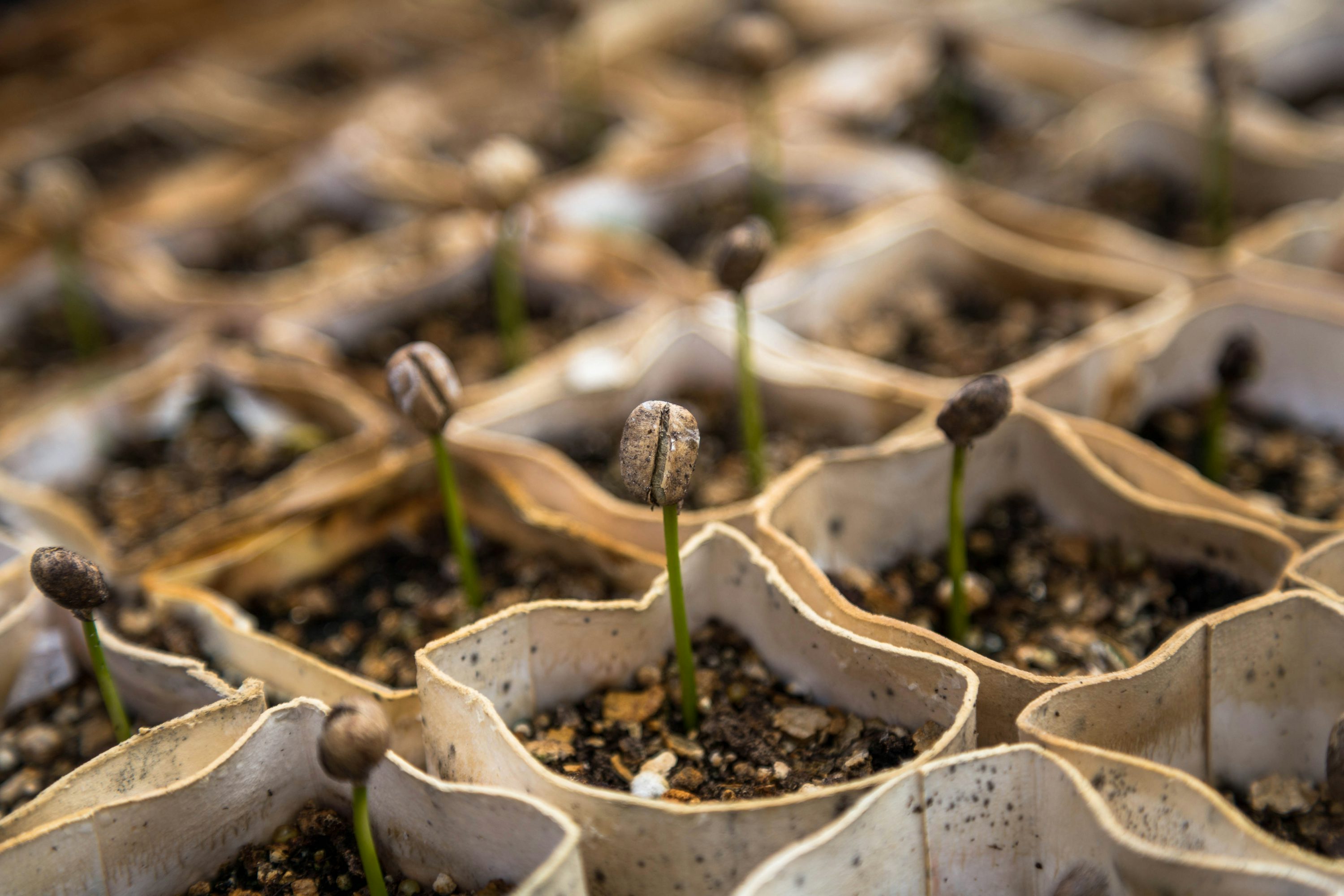
One of the most important aspects of sustainable coffee is how it’s grown. Traditional coffee farming often takes place under a canopy of trees, known as shade-grown coffee. This method helps maintain natural ecosystems, supports wildlife, and reduces the need for chemical inputs.
In contrast, large-scale sun-grown coffee can lead to deforestation, soil degradation, and loss of biodiversity. Sustainable farms aim to minimize these impacts by using organic fertilizers, conserving water, and protecting the land for future harvests. These practices not only benefit the environment but can also improve the quality of the coffee itself, as healthier soil often produces more complex flavors.
Sustainability is not just about the environment—it’s also about people. Coffee is often grown in regions where farmers face economic challenges, fluctuating market prices, and limited access to resources.
Ethically sourced coffee ensures that farmers receive fair compensation for their work, allowing them to invest in their farms, support their families, and maintain sustainable practices. Many producers also focus on community development, including education, healthcare, and infrastructure. When you choose coffee from brands that prioritize direct trade or fair partnerships, you contribute to a more stable and equitable coffee industry.
Certifications can help guide your choices, but they should be understood as part of a bigger picture rather than the only indicator of sustainability. Labels such as Fair Trade, Rainforest Alliance, and Organic each focus on different aspects of responsible production. Fair Trade emphasizes fair wages and working conditions, Rainforest Alliance supports environmental conservation, and Organic certification ensures that coffee is grown without synthetic chemicals.
While these certifications are valuable, they don’t always tell the full story. Some smaller producers follow sustainable practices without formal certification, so it’s also important to consider transparency and brand values.
Sustainability doesn’t stop at the farm. Roasters and coffee brands play a key role in maintaining ethical standards throughout the supply chain. Responsible brands prioritize traceability, meaning they can clearly identify where their coffee comes from and how it was sourced. They often work closely with farmers, building long-term relationships that support consistent quality and fair pricing.
Packaging is another factor. Eco-conscious brands are increasingly using recyclable or compostable materials to reduce waste. While packaging alone doesn’t define sustainability, it reflects a broader commitment to responsible practices.
Making more sustainable choices doesn’t have to be complicated. Start by looking for transparency—brands that openly share information about their sourcing and production methods are often more trustworthy.
Pay attention to certifications, but also read about the company’s values and partnerships. Consider choosing whole beans in minimal or recyclable packaging, and try to support brands that prioritize quality over mass production.
You can also reduce waste by brewing only what you need and storing your coffee properly to maintain freshness. Even small habits contribute to a more sustainable approach to coffee consumption.
Lorem ipsum dolor sit amet, consectetur adipiscing elit. Suspendisse varius enim in eros elementum tristique. Duis cursus, mi quis viverra ornare, eros dolor interdum nulla, ut commodo diam libero vitae erat. Aenean faucibus nibh et justo cursus id rutrum lorem imperdiet. Nunc ut sem vitae risus tristique posuere.
Include a simple guide to coffee cupping and how readers can develop their palate.

Lorem ipsum dolor sit amet, consectetur adipiscing elit. Suspendisse varius enim in eros elementum tristique. Duis cursus, mi quis viverra ornare, eros dolor interdum nulla, ut commodo diam libero vitae erat. Aenean faucibus nibh et justo cursus id rutrum lorem imperdiet. Nunc ut sem vitae risus tristique posuere.
Take readers on a journey through the major coffee-growing regions.
