March 13, 2026
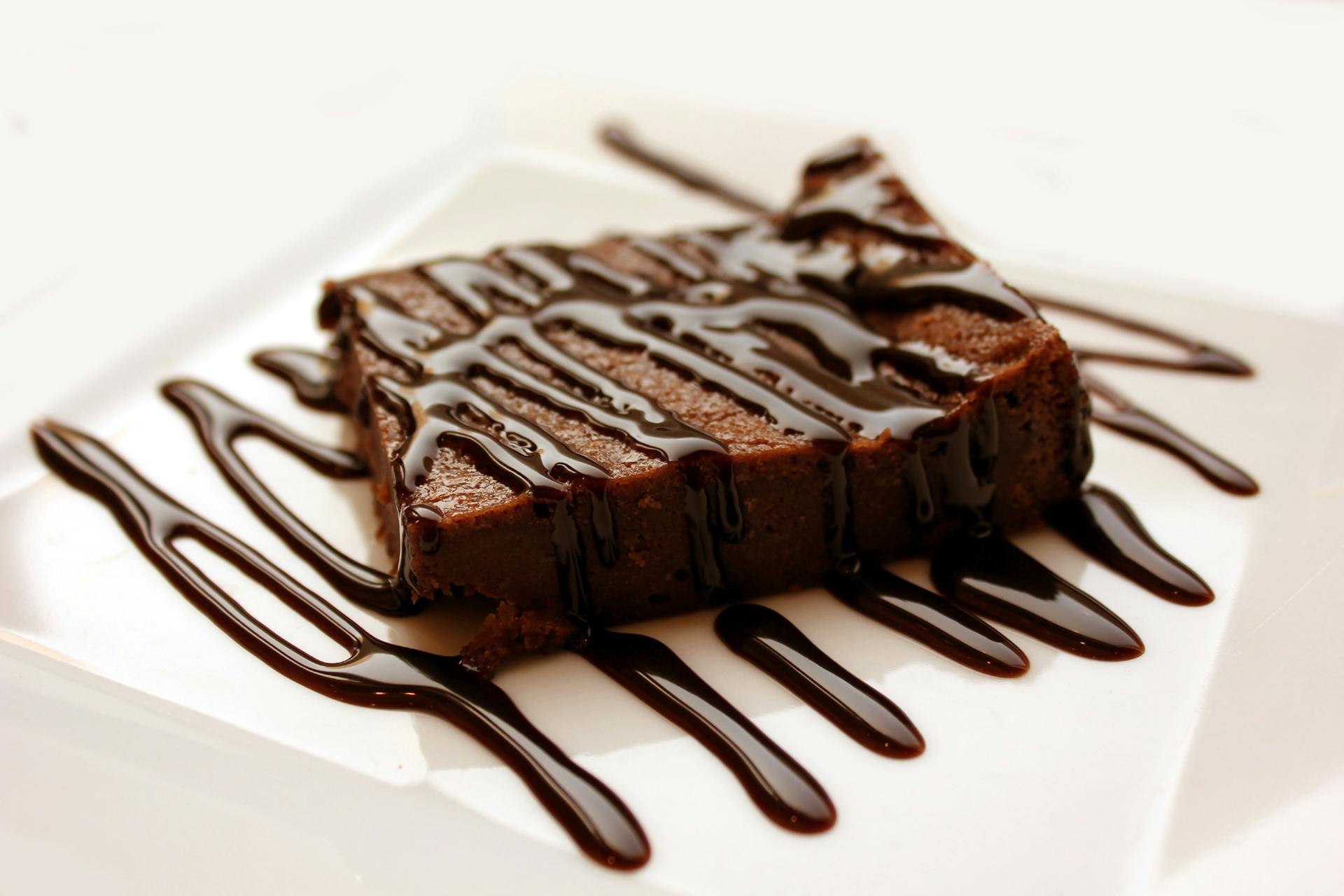
Coffee pairings: Snacks, desserts, and beyond
Show readers how to pair coffee with pastries, chocolates, cheeses, and even savory foods.


Making coffee at home seems simple—but small mistakes can quietly ruin an otherwise great cup. Bitterness, sourness, weak flavor, or inconsistency often come down to a few overlooked details rather than the beans themselves.
Understanding the root causes of common coffee mistakes is the first step toward improvement. By identifying these issues, you can make simple yet effective changes to your brewing process. Whether it's adjusting the grind size or using filtered water, these tweaks can significantly enhance the flavor and quality of your coffee, ensuring each cup is as enjoyable as possible.
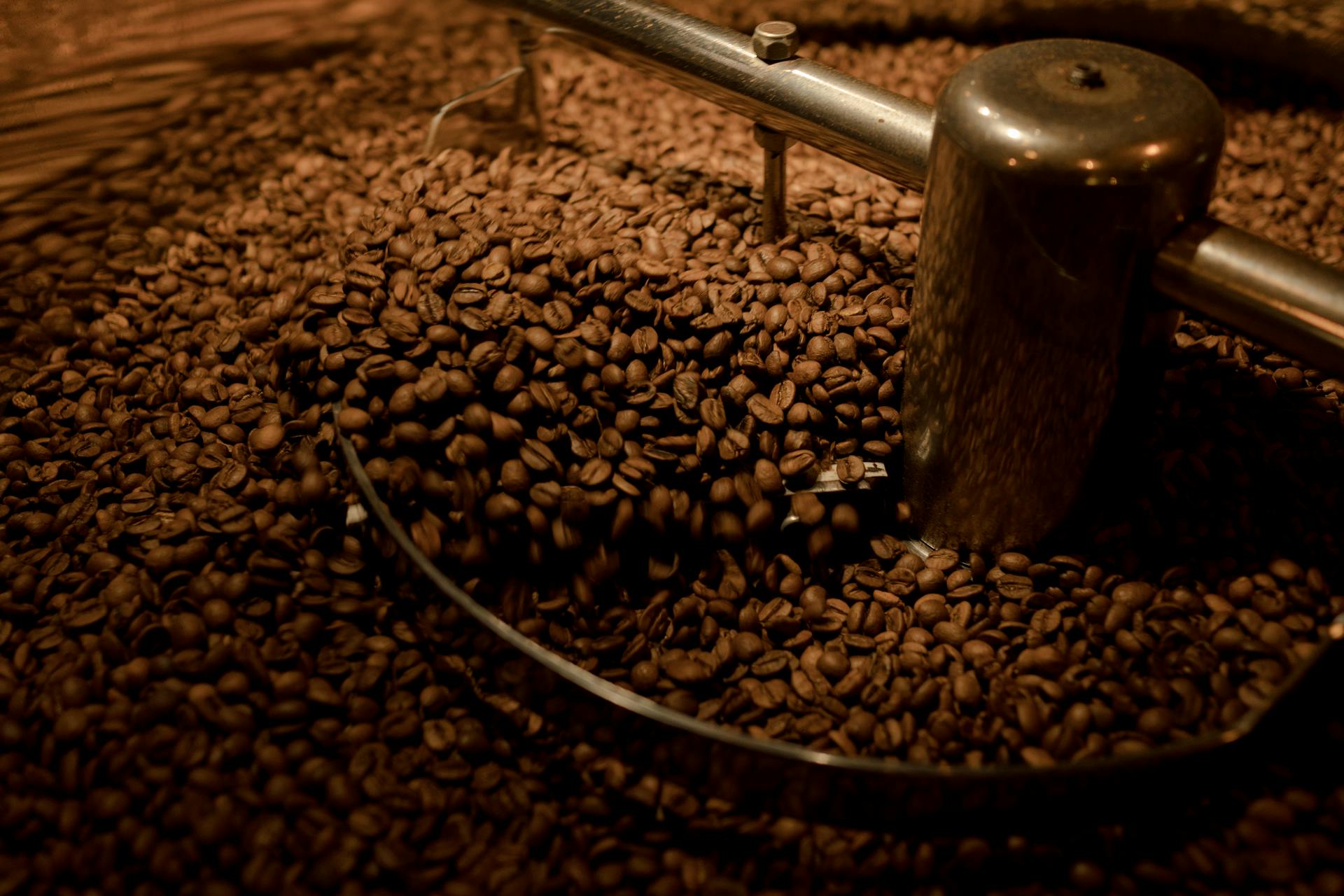
Using coffee that has surpassed its optimal freshness is a frequent mistake among coffee enthusiasts. As soon as coffee is roasted, it begins to lose its aromatic qualities and intricate flavors. This degradation happens even more rapidly with pre-ground coffee, which can result in a flat and uninspiring cup.
How to fix it:
Choose freshly roasted beans and check the roast date whenever possible. Aim to use your coffee within two to four weeks of roasting. Storing beans in an airtight container away from light, heat, and moisture will help preserve their flavor for longer.
Grinding coffee ahead of time might seem convenient, but it significantly diminishes the flavor profile. The moment coffee is ground, it begins to lose its aromatic oils and complex flavors, leading to a less vibrant cup. Additionally, using an incorrect grind size can result in poor extraction, affecting the balance and taste of your brew.
How to fix it:
Grind your coffee just before brewing to retain its aroma and complexity. Match the grind size to your brewing method—coarse for French press, medium for drip or pour-over, and fine for espresso. If your coffee tastes off, adjusting the grind size is often the quickest solution.
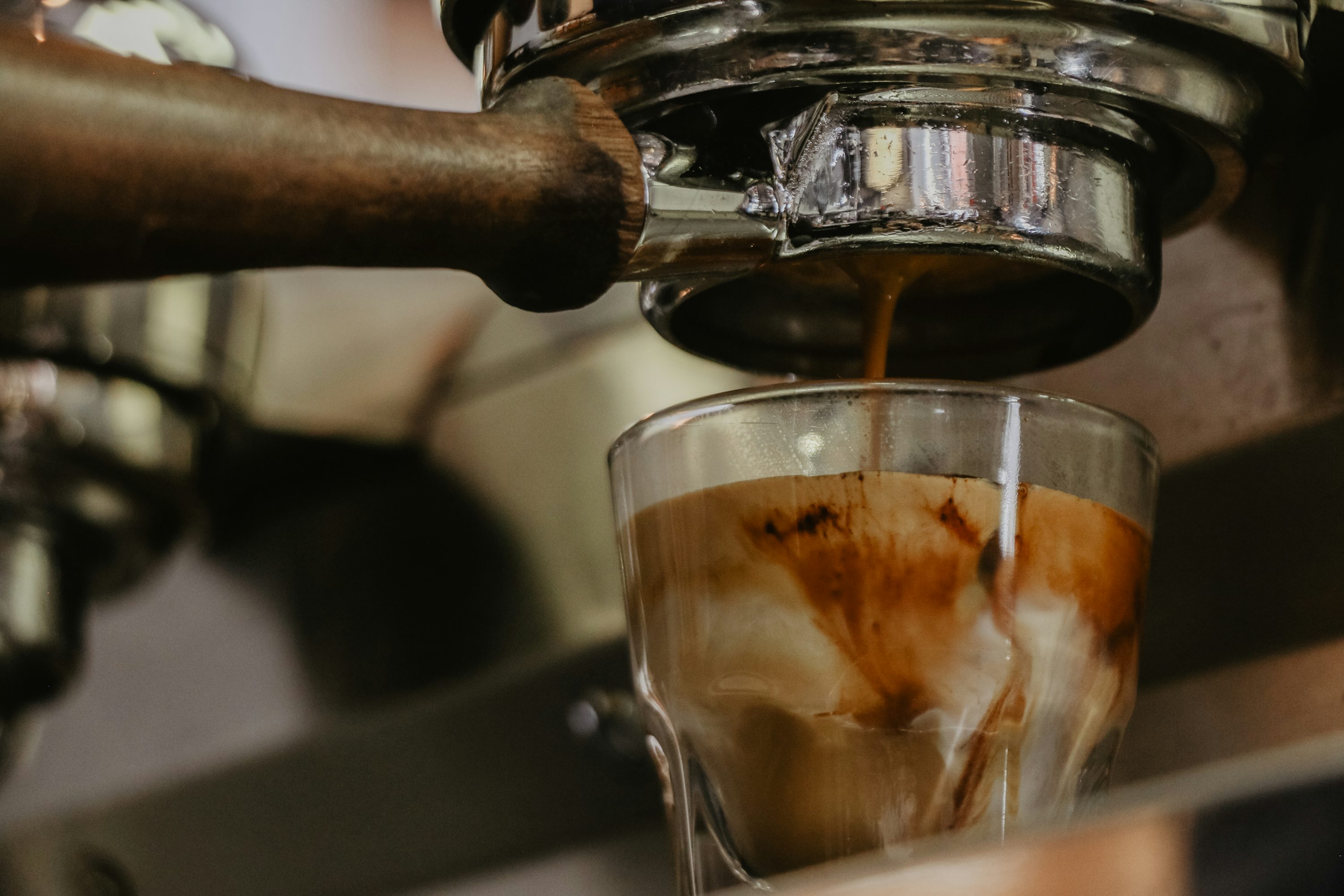
Relying on guesswork for your coffee measurements can lead to unpredictable results. Using too much coffee can result in an overpowering, bitter brew, while too little can leave you with a weak and unsatisfying cup. Consistency is key to achieving the perfect balance of flavors.
How to fix it:
Use a consistent ratio as your starting point—typically between 1:15 and 1:18 (coffee to water). Measuring your coffee and water with a scale ensures repeatable results and helps you fine-tune your preferred strength.
The quality of water used in brewing coffee is crucial because it constitutes the majority of the beverage. Impurities or high mineral content in tap water can significantly alter the taste, leading to an unpleasant or inconsistent flavor profile. To ensure the best results, it's advisable to use filtered water, which helps maintain the integrity of the coffee's natural flavors and enhances the overall drinking experience.
How to fix it:
Use filtered water whenever possible. Clean, balanced water allows the natural flavors of your coffee to come through clearly and improves overall consistency.
Water temperature plays a crucial role in coffee extraction. If the water is too hot, it can lead to over-extraction, resulting in a bitter taste. Conversely, if the water is too cool, it may cause under-extraction, leaving the coffee tasting sour or weak. Achieving the right balance is essential for a well-rounded cup.
How to fix it:
Aim for a brewing temperature between 90–96°C (195–205°F). If you don’t have a thermometer, let boiling water sit for about 30 seconds before using it.
Timing is a critical factor in coffee brewing that can greatly influence the final taste. If the brewing time is too short, the coffee may end up tasting sour and lacking in body, as the flavors haven't had enough time to develop. On the other hand, if the brewing time is too long, the coffee can become overly bitter and heavy, as excessive extraction draws out undesirable compounds. Finding the right balance is key to achieving a well-rounded and flavorful cup.
How to fix it:
Stick to recommended brewing times for your method. Pour-over usually takes around 2.5 to 3 minutes, French press about 4 minutes, and espresso roughly 25 to 30 seconds. Adjust your grind size if your brew time falls outside these ranges.
Mastering the art of coffee brewing involves understanding a few essential factors—freshness, grind size, coffee-to-water ratio, water quality, and brewing time. By focusing on these elements and making thoughtful adjustments, you can elevate your coffee experience from ordinary to exceptional. Remember, brewing great coffee at home is a journey of exploration and refinement, not about achieving perfection. Each cup offers an opportunity to learn and enhance your skills, ensuring that every sip is as satisfying as the last.
Lorem ipsum dolor sit amet, consectetur adipiscing elit. Suspendisse varius enim in eros elementum tristique. Duis cursus, mi quis viverra ornare, eros dolor interdum nulla, ut commodo diam libero vitae erat. Aenean faucibus nibh et justo cursus id rutrum lorem imperdiet. Nunc ut sem vitae risus tristique posuere.
Discussing fair trade, organic, and eco-friendly coffee practices for a sustainable future.
Lorem ipsum dolor sit amet, consectetur adipiscing elit. Suspendisse varius enim in eros elementum tristique. Duis cursus, mi quis viverra ornare, eros dolor interdum nulla, ut commodo diam libero vitae erat. Aenean faucibus nibh et justo cursus id rutrum lorem imperdiet. Nunc ut sem vitae risus tristique posuere.
Include a simple guide to coffee cupping and how readers can develop their palate.
