March 13, 2026
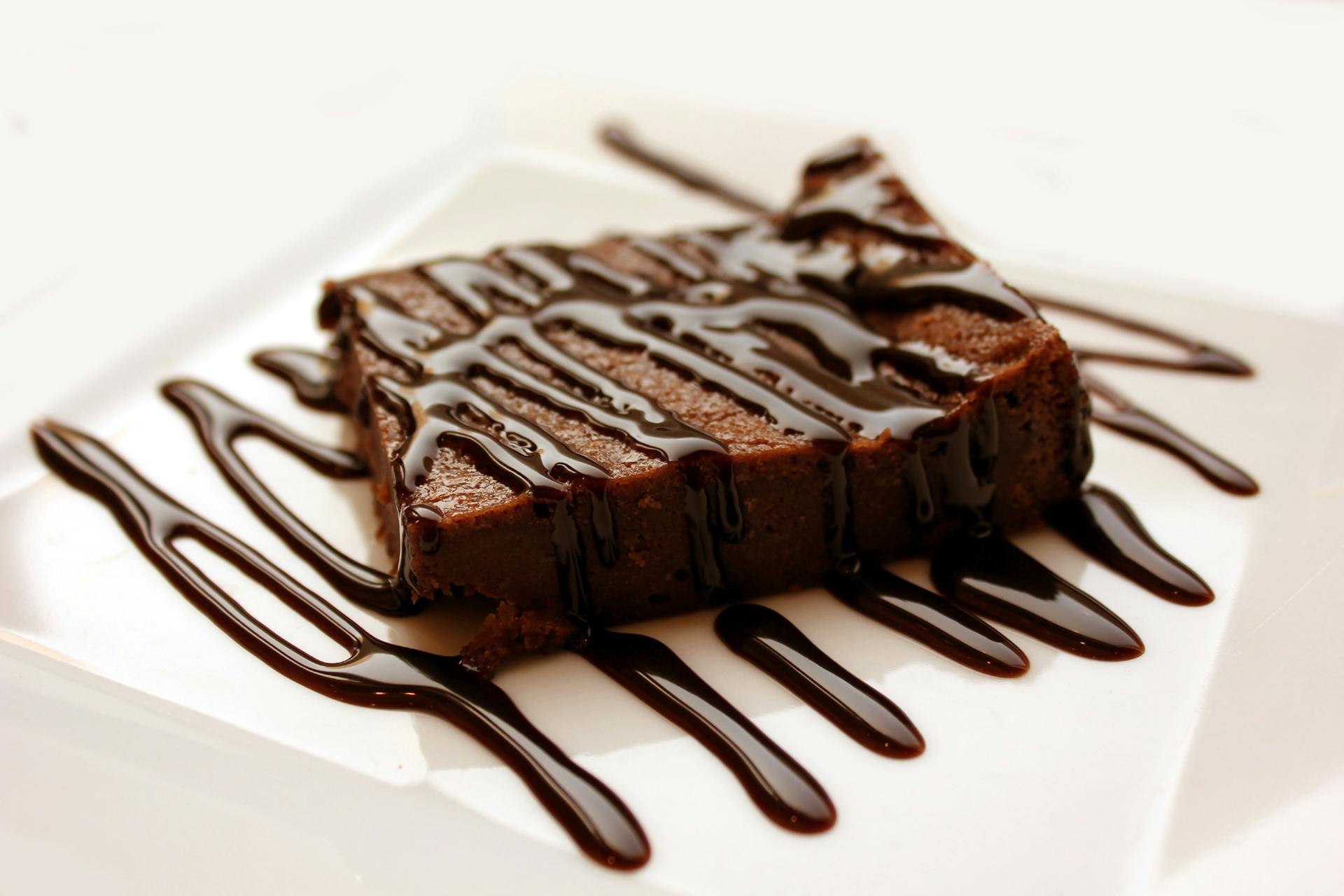
Coffee pairings: Snacks, desserts, and beyond
Show readers how to pair coffee with pastries, chocolates, cheeses, and even savory foods.

.jpg)
Behind every exceptional cup of coffee lies a meticulous process that transforms simple green beans into a rich, aromatic brew full of character. Coffee roasting is where science meets artistry—where precise timing, controlled temperature, and intuitive adjustments shape the flavors you savor in every sip. This guide will take you through the fascinating journey of coffee roasting—from raw beans to your morning brew—and delve into the nuances that make this craft so essential. Understanding the intricacies of roasting not only enhances appreciation but also highlights the skill and dedication required to perfect each batch.
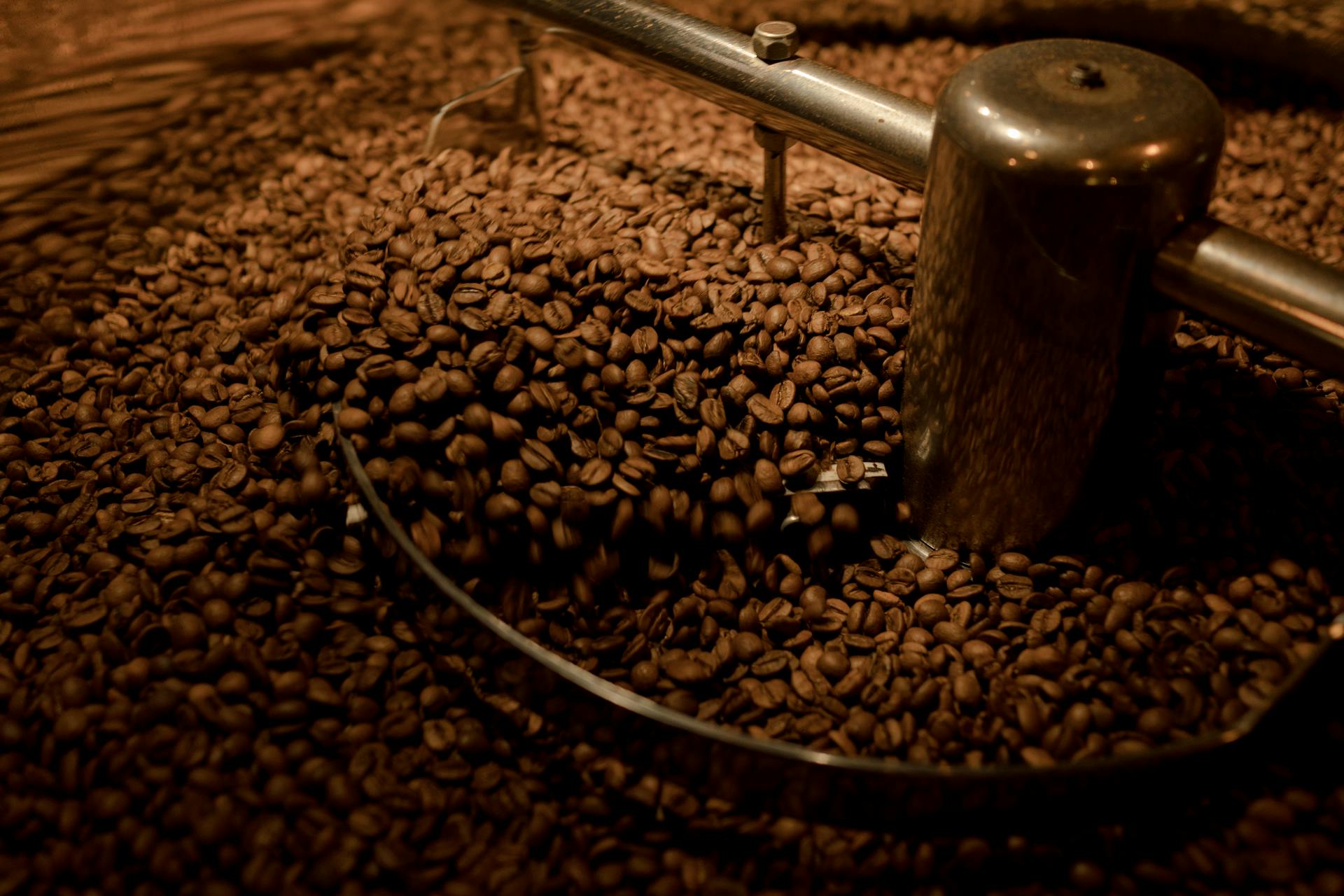
Coffee roasting is a transformative process that applies heat to green coffee beans, turning them from dense, grassy seeds into aromatic, flavorful beans. This transformation unlocks a spectrum of complex notes, from fruity and floral to chocolatey and bold. The process is driven by chemical reactions such as caramelization and the Maillard reaction, which are crucial in developing coffee's distinctive taste. As the beans are heated, sugars break down and interact with amino acids, creating the rich flavors and aromas we associate with a perfect cup of coffee. The roasting process is not just about heat; it involves a careful balance of time and temperature, where each stage of roasting—from drying to browning to development—contributes to the final flavor profile. Understanding these stages allows roasters to craft unique blends that highlight specific characteristics of the beans, whether it's the bright acidity of a light roast or the deep, robust notes of a dark roast.
A skilled roaster is both a technician and an artist, mastering the delicate balance between science and intuition. They must understand how variables like temperature, airflow, and timing interact, while also relying on sensory cues such as smell, sound, and color to guide their decisions. Each batch of beans presents a unique challenge, requiring the roaster to make precise adjustments that can dramatically change the final cup. This is why consistency and expertise are key, as even the smallest variation can lead to a different flavor profile. The roaster's ability to adapt and refine their technique is what transforms raw beans into a symphony of flavors, ensuring that each cup of coffee is a testament to their skill and dedication. Additionally, roasters often experiment with different roasting profiles to highlight unique characteristics of the beans, creating a diverse range of flavors that cater to various palates.
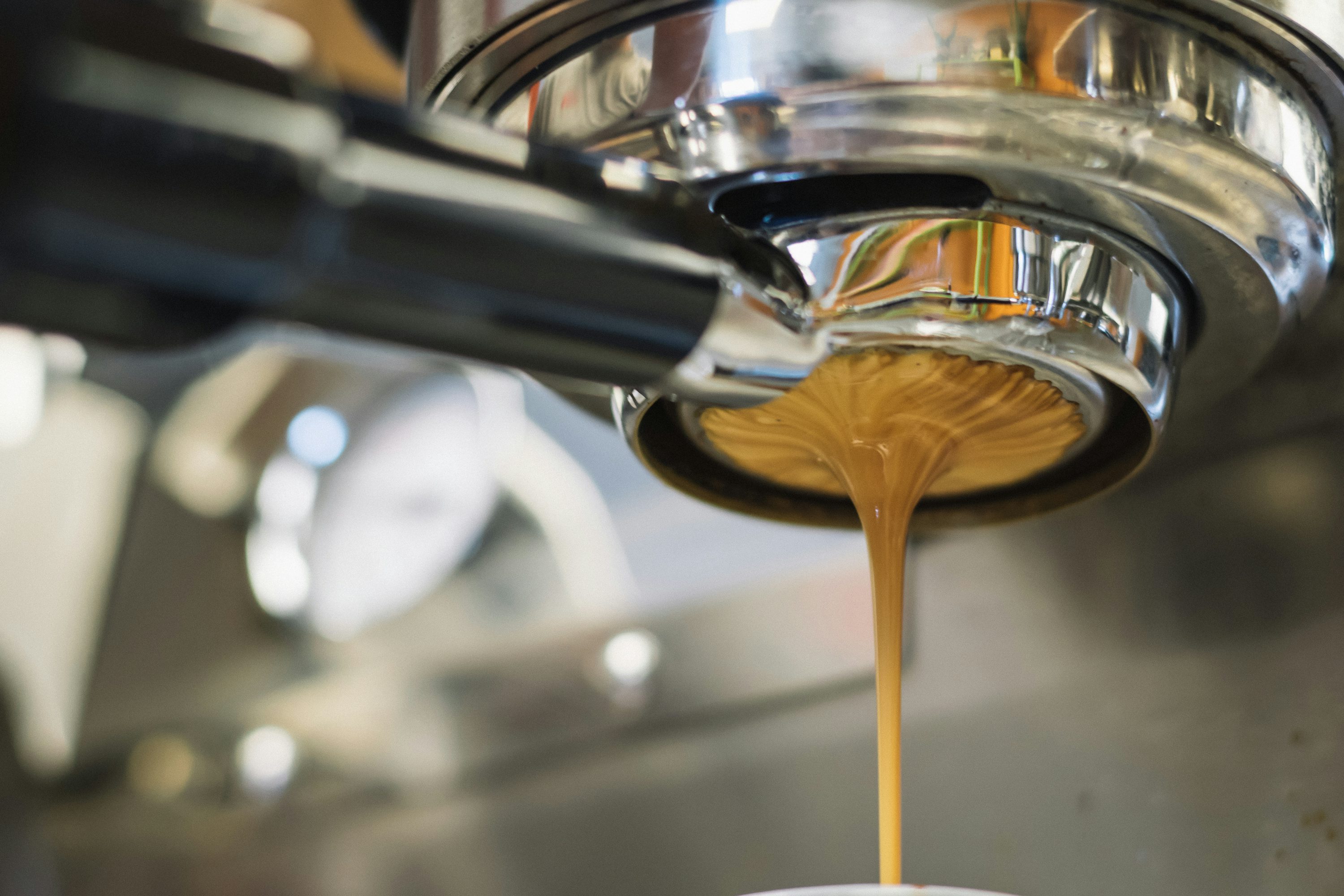
Freshly roasted coffee beans undergo a process called degassing, where they release carbon dioxide, reaching their peak flavor within a few days. This freshness is essential for capturing the full spectrum of flavors. The grind size, brewing method, and water quality are equally important, as they can significantly alter the taste profile. For instance, a coarse grind is ideal for French press, while a fine grind suits espresso, each unlocking different flavor notes. Additionally, the brewing temperature and water-to-coffee ratio must be carefully controlled to ensure a balanced and flavorful cup.
Lorem ipsum dolor sit amet, consectetur adipiscing elit. Suspendisse varius enim in eros elementum tristique. Duis cursus, mi quis viverra ornare, eros dolor interdum nulla, ut commodo diam libero vitae erat. Aenean faucibus nibh et justo cursus id rutrum lorem imperdiet. Nunc ut sem vitae risus tristique posuere.
Discussing fair trade, organic, and eco-friendly coffee practices for a sustainable future.
Lorem ipsum dolor sit amet, consectetur adipiscing elit. Suspendisse varius enim in eros elementum tristique. Duis cursus, mi quis viverra ornare, eros dolor interdum nulla, ut commodo diam libero vitae erat. Aenean faucibus nibh et justo cursus id rutrum lorem imperdiet. Nunc ut sem vitae risus tristique posuere.
Include a simple guide to coffee cupping and how readers can develop their palate.
