March 13, 2026
Coffee pairings: Snacks, desserts, and beyond
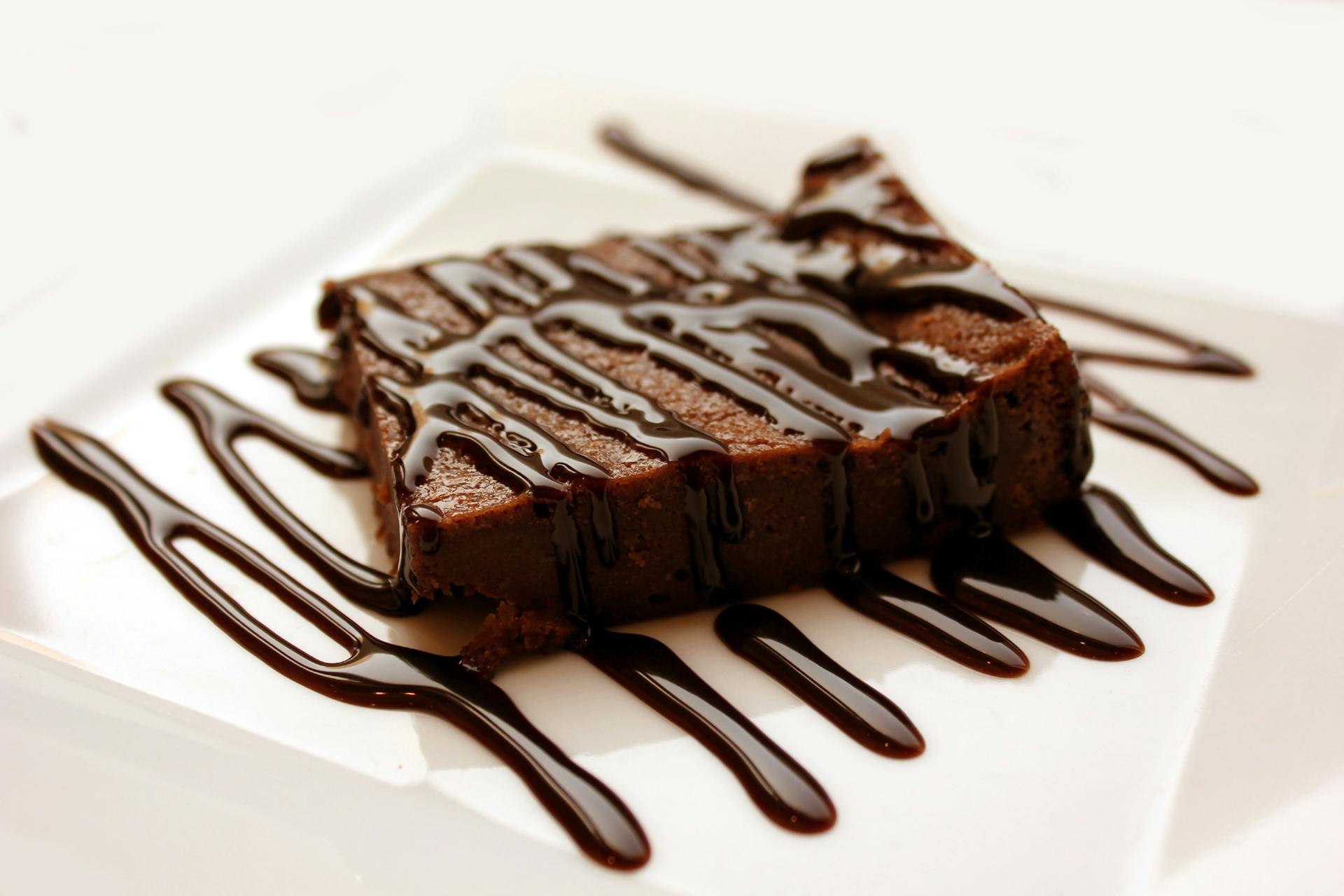
Show readers how to pair coffee with pastries, chocolates, cheeses, and even savory foods.


Brewing great coffee at home isn’t about expensive equipment or complicated techniques—it’s about understanding a few key principles and applying them consistently. When you control the variables—beans, grind, water, and time—you unlock flavors that rival (and often surpass) what you’d get at a café. This guide is designed to help you build a simple, reliable routine that delivers a balanced, flavorful cup every time—no matter your preferred brewing method.
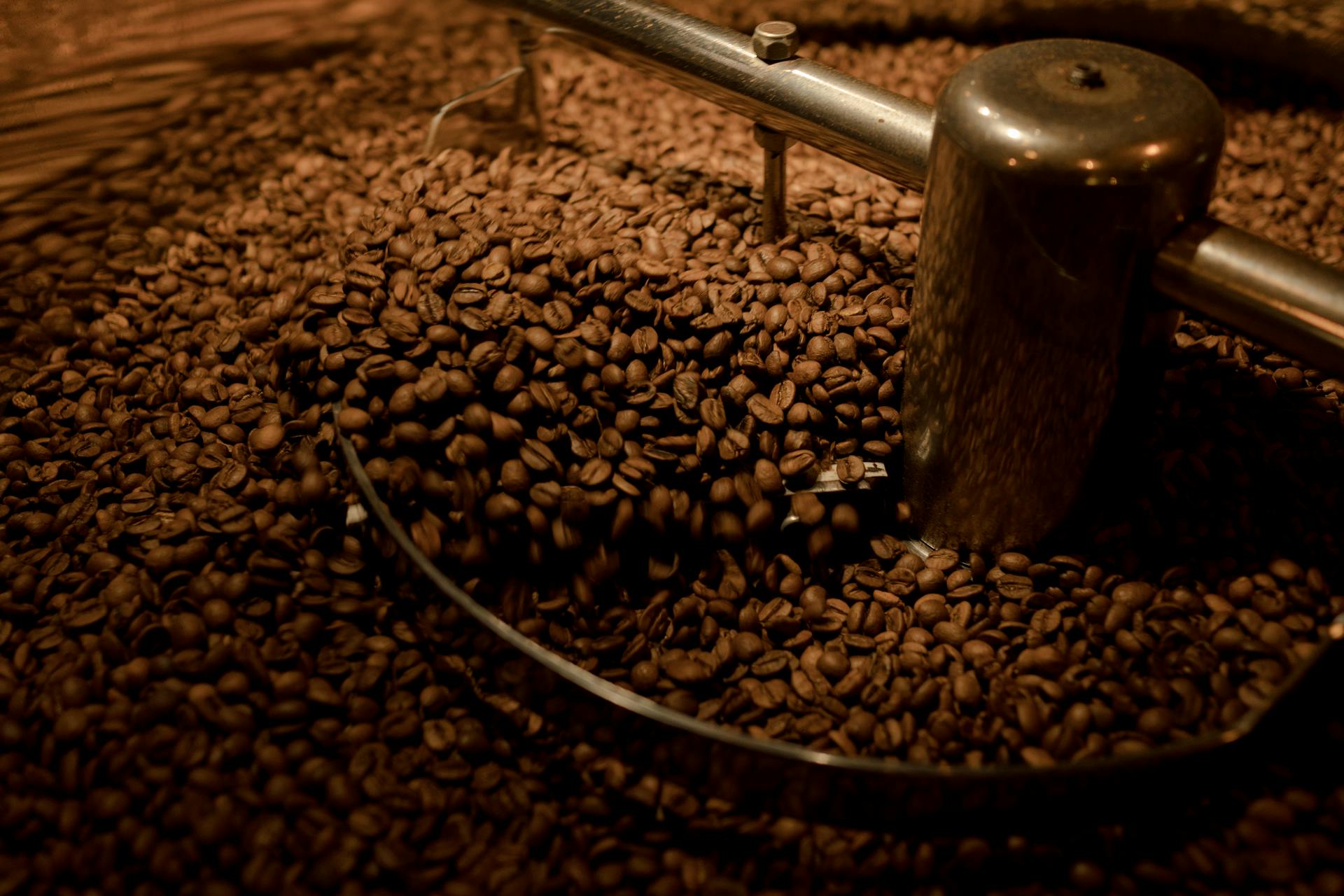
The quality of your coffee is determined long before water touches the grounds. Freshly roasted beans contain aromatic compounds that begin to fade over time, which is why freshness matters so much. Ideally, you should use coffee within two to four weeks of its roast date.
Equally important is choosing beans that match your taste preferences. If you enjoy bright, vibrant flavors, look for lighter roasts with notes of fruit or citrus. If you prefer something smoother and richer, medium or dark roasts with chocolate or nutty profiles may suit you better. Taking the time to explore different origins and roast levels will help you discover what you truly enjoy. For the best results, always buy whole beans and grind them just before brewing. Pre-ground coffee loses its complexity much faster, resulting in a flatter, less satisfying cup.
The grind size of your coffee plays a critical role in how flavors are extracted. Coffee brewing is essentially a controlled process of dissolving soluble compounds, and the size of your grounds determines how quickly this happens. A coarse grind allows water to flow quickly, producing a lighter extraction—ideal for methods like French press. A medium grind provides a balanced extraction, commonly used for drip coffee or pour-over. A fine grind slows the process, intensifying extraction, which is necessary for espresso. If your coffee tastes too bitter or harsh, it may be over-extracted—try using a coarser grind. If it tastes weak or sour, it’s likely under-extracted, and a finer grind can help. Small adjustments here can dramatically improve your results.
Consistency is key when brewing at home, and one of the easiest ways to achieve it is by using a proper coffee-to-water ratio. A widely recommended starting point is between 1:15 and 1:18, meaning one part coffee to fifteen to eighteen parts water. This ratio creates a balanced cup, but it’s not a strict rule. If you prefer a stronger brew, use slightly more coffee. If you want something lighter and more delicate, add a bit more water. The important part is to measure your inputs so you can repeat what works and adjust what doesn’t. Using a simple kitchen scale can make a noticeable difference in consistency and help you refine your brewing process over time.
Since coffee is mostly water, its quality has a direct impact on taste. Tap water that contains too many minerals or impurities can dull flavors or introduce unwanted notes. Using filtered water ensures a cleaner, more accurate representation of your coffee.
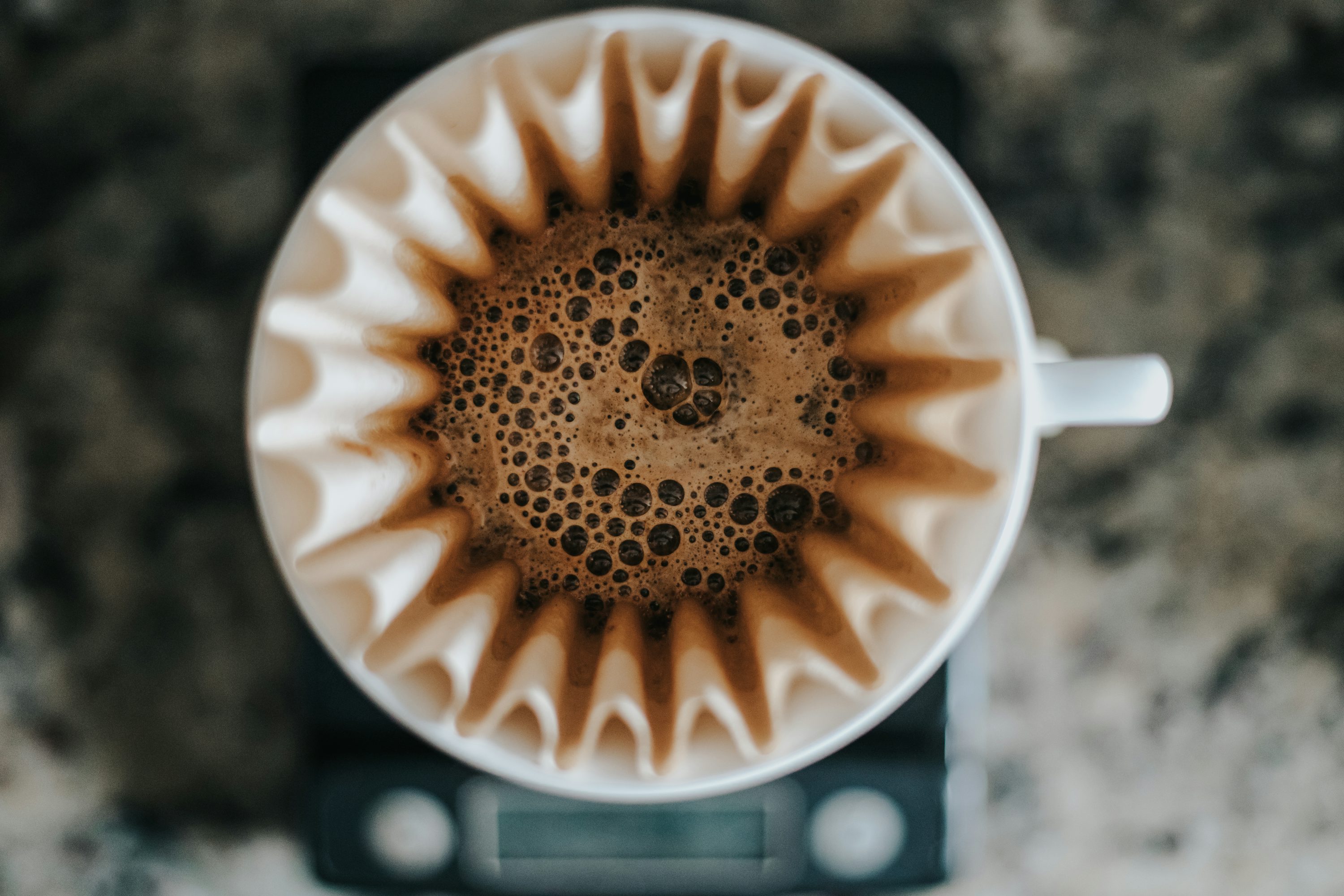
Temperature is just as important. Water that’s too hot can over-extract and create bitterness, while water that’s too cool won’t extract enough flavor. Aim for a temperature between 90–96°C (195–205°F). If you don’t have a thermometer, simply let boiling water sit for about 30 seconds before pouring.
Different brewing methods highlight different characteristics of coffee, and the best one for you depends on both your taste preferences and your daily routine. Pour-over methods are ideal if you enjoy clarity and brightness in your cup. They allow you to control every variable, from pouring speed to extraction time, resulting in a clean and nuanced flavor profile.
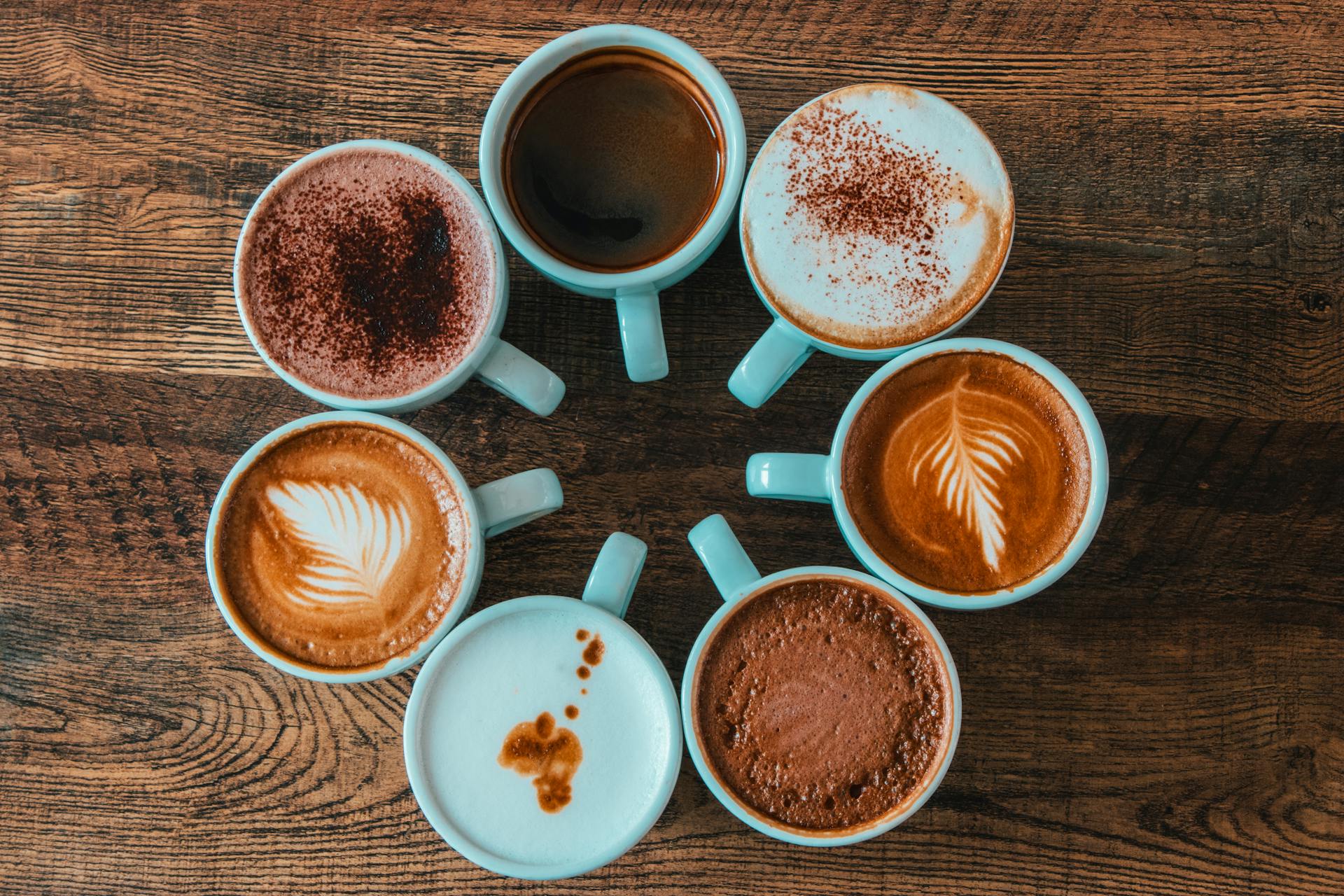
French press is perfect for those who prefer a richer, fuller-bodied coffee. The immersion method extracts more oils and creates a heavier mouthfeel, making it a great choice for a comforting, bold cup. Espresso offers intensity and concentration, producing a small but powerful shot with deep flavor. While it requires more precision and equipment, it also opens the door to a variety of drinks like lattes and cappuccinos. No matter which method you choose, mastering it through consistency will always yield better results than constantly switching between techniques.
Brewing the perfect cup at home is a skill that combines technique, consistency, and personal taste. By focusing on fresh beans, proper grind size, balanced ratios, and careful timing, you can transform your daily coffee into something truly enjoyable. The beauty of home brewing is that it evolves with you. As your understanding deepens, so does the quality of your cup—turning a simple routine into a rewarding ritual.
Lorem ipsum dolor sit amet, consectetur adipiscing elit. Suspendisse varius enim in eros elementum tristique. Duis cursus, mi quis viverra ornare, eros dolor interdum nulla, ut commodo diam libero vitae erat. Aenean faucibus nibh et justo cursus id rutrum lorem imperdiet. Nunc ut sem vitae risus tristique posuere.
Discussing fair trade, organic, and eco-friendly coffee practices for a sustainable future.
Lorem ipsum dolor sit amet, consectetur adipiscing elit. Suspendisse varius enim in eros elementum tristique. Duis cursus, mi quis viverra ornare, eros dolor interdum nulla, ut commodo diam libero vitae erat. Aenean faucibus nibh et justo cursus id rutrum lorem imperdiet. Nunc ut sem vitae risus tristique posuere.
Include a simple guide to coffee cupping and how readers can develop their palate.
